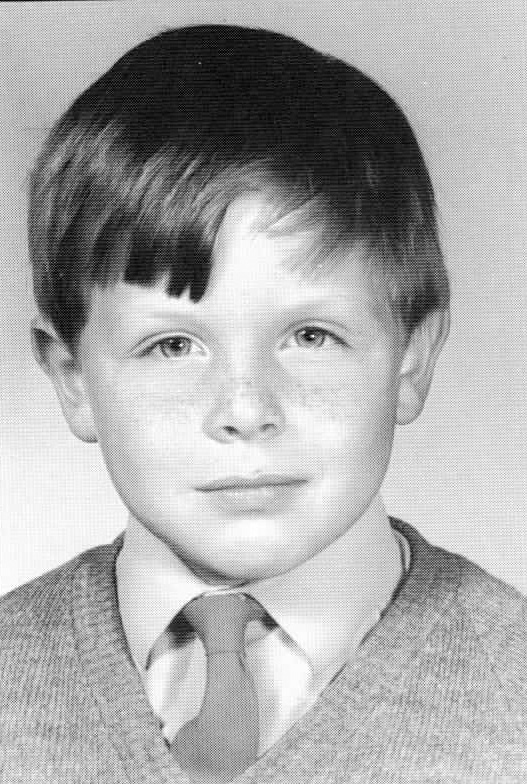
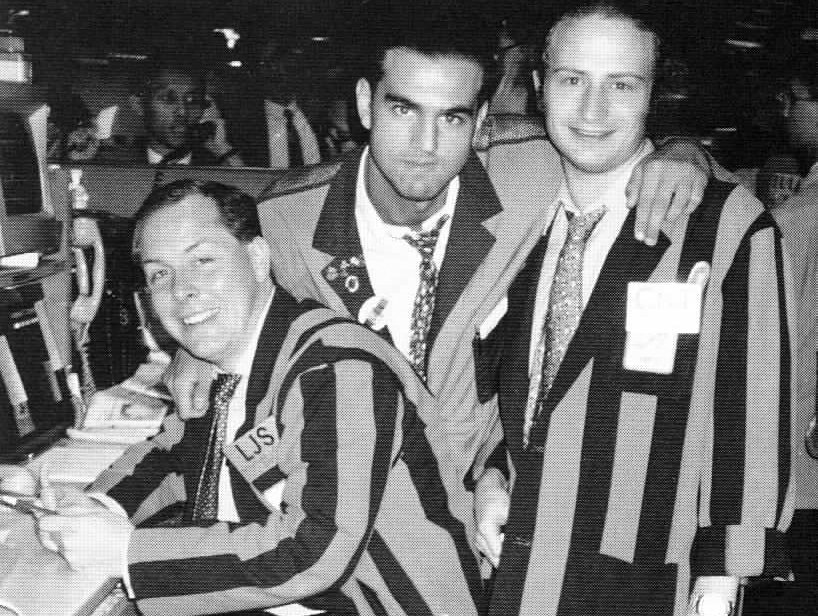
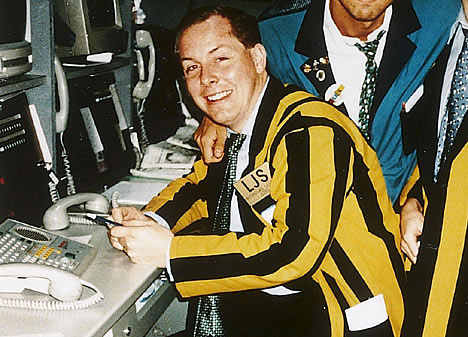
Nick Leeson began his financial career in the mid-1980s as a clerk at Coutts, before moving through a series of roles at other banks and eventually joining Barings. He quickly made an impression and was promoted to the trading floor.
He was soon appointed to manage a new futures trading operation on the Singapore Monetary Exchange (SIMEX), where he appeared to be making millions for Barings by betting on the direction of the Nikkei Index. His bosses in London trusted him implicitly. Nick and his wife Lisa seemed to have it all — a six-figure salary, exotic weekends away, a smart apartment and a life that looked, from the outside, like pure success.
What London didn’t know was that Nick had been hiding mounting losses in a secret error account — the now infamous 88888 account — originally set up to cover a junior colleague’s £20,000 mistake. As his own losses grew, that account became the place where the truth was buried.
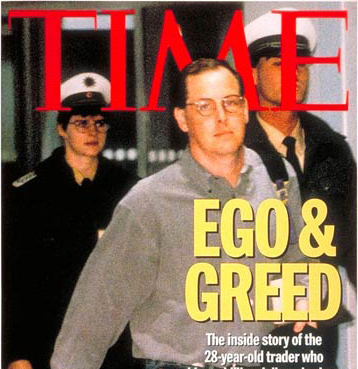
In a desperate attempt to trade his way out, Nick requested additional funds and bought more than 20,000 futures contracts over three months, each worth around $180,000. It wasn’t enough. When Barings executives finally uncovered what had happened, they notified the Bank of England that the bank was effectively insolvent. Nick Leeson had single-handedly brought down one of Britain’s oldest and most prestigious financial institutions — 233 years old, and banker to HM The Queen. The losses totalled $1.3 billion, exceeding the entire capital and reserves of the bank.
Nick was arrested in Frankfurt and fought extradition for several months before being sentenced in December 1995 to six and a half years in a Singapore prison. His wife Lisa, who had taken a job as an air hostess to visit him regularly, eventually divorced him. Shortly afterwards, Nick was diagnosed with colon cancer. He lost significant weight and most of his hair during chemotherapy.
Released in 1999, Nick returned to the UK effectively homeless and without work. But he refused to be defined by what had happened.
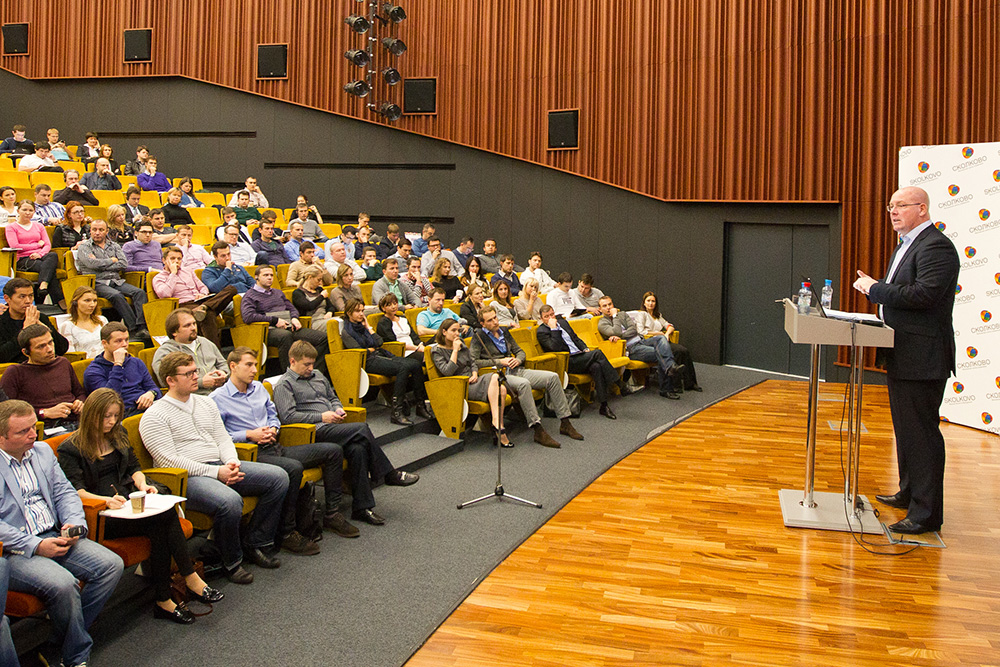
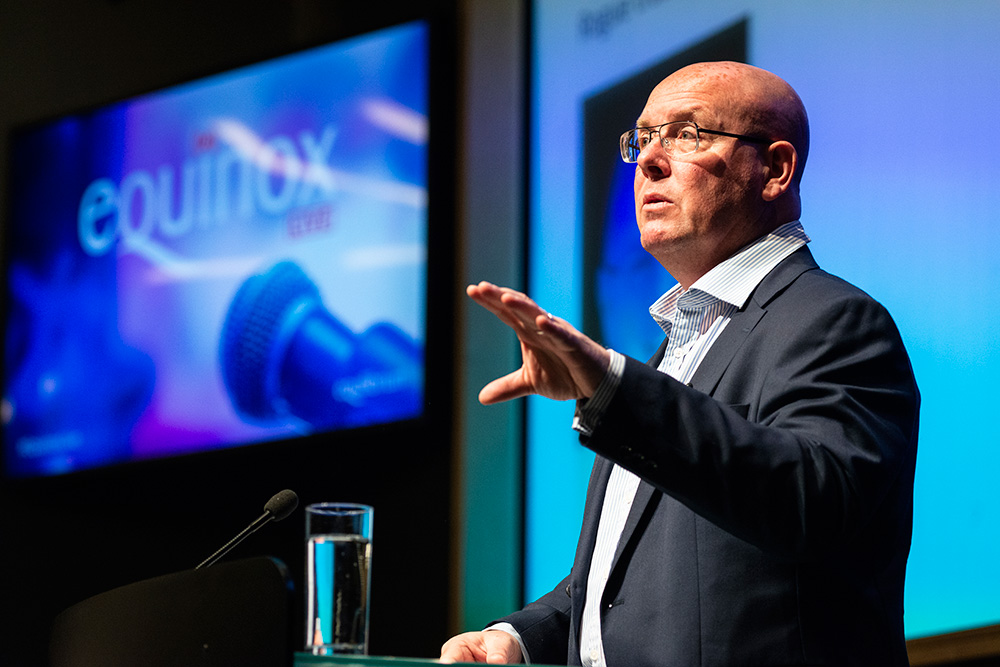
He received a substantial fee for the newspaper serialisation of his story in The Mail, and his book Rogue Trader — written during his time on remand in Frankfurt — became a bestseller. It was later adapted into a film starring Ewan McGregor. Nick went on to complete a Psychology degree and built a new career as a sought-after conference and keynote speaker, drawing on his extraordinary experiences to deliver talks on risk, accountability and resilience.
Nick remarried — to Irish beautician Leona Tormay, who came with her own children Kersty and Alex — and the family were overjoyed when Nick and Leona’s son Mackensey was born in 2004. Nick is characteristically direct about his outlook: “Cancer must not take you over and control your life. The more positive you are, the greater your chance of survival.” His advice to others facing pressure is equally straightforward: “Talk and express yourself. With cancer, as with other problems, it’s amazing how adaptable human beings are — you will cope, provided you keep a strong frame of mind.”
In April 2005 Nick was appointed Commercial Manager of Galway United Football Club, progressing to General Manager later that year. He published his second book, Back from the Brink: Coping with Stress, co-written with psychologist Ivan Tyrell. In July 2007 he became CEO of the club, a position he held until his resignation in February 2011.
Explore Blog